
Site: UK Screen Alliance
BlueBolt Brings Outlander’s Final Season to Life with 160 VFX Shots
BlueBolt Delivers VFX for the Final Season of Outlander
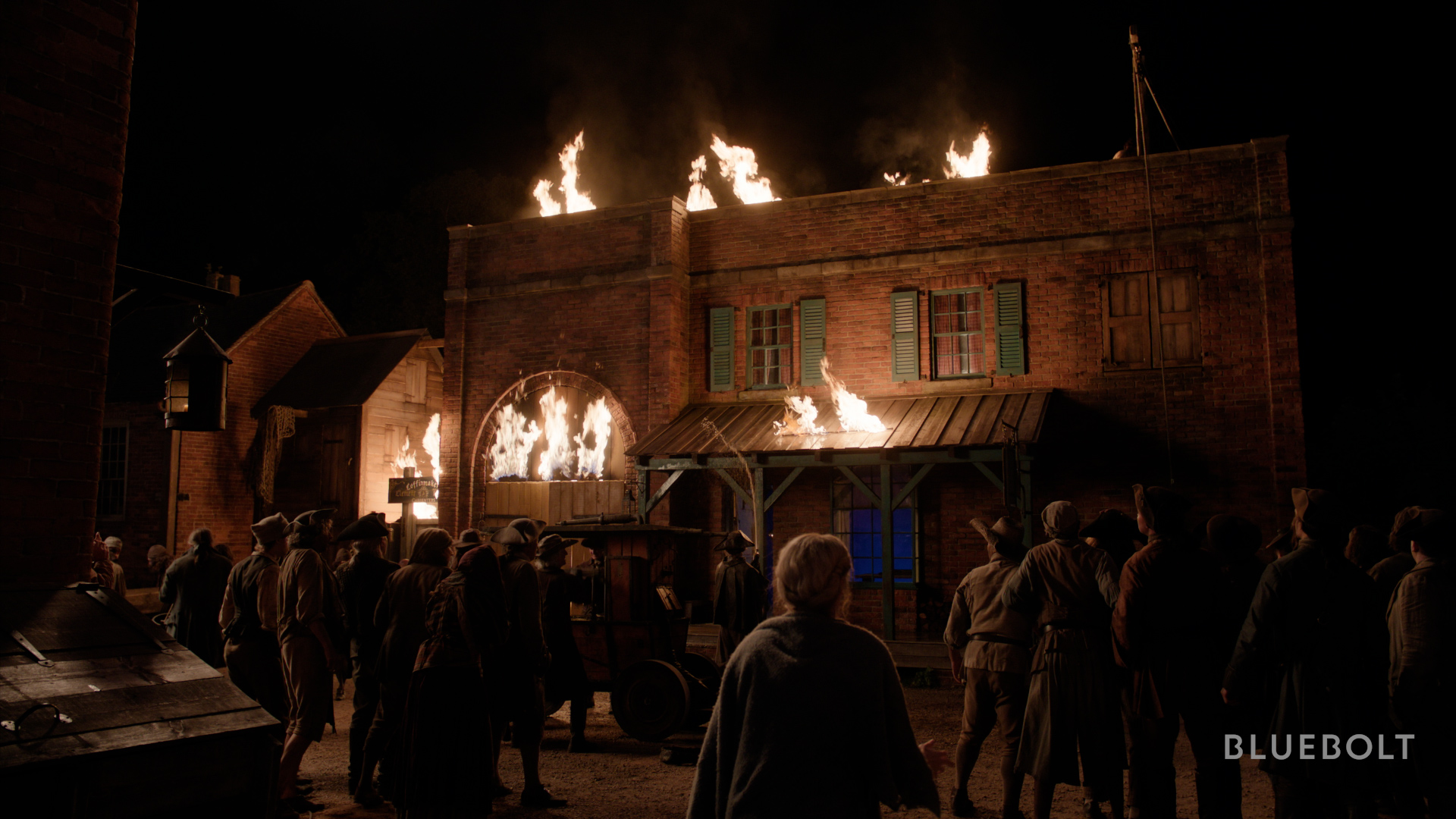
Led by VFX Supervisor Nic Birmingham, BlueBolt created 160 VFX shots to support the eighth and final season of Outlander the epic time-travelling adventure from Sony Pictures Television/Starz. The series is based on the best-selling novels of Diana Gabaldon.
BlueBolt worked closely with overall VFX Supervisor Jon Neill, recreating key late eighteenth century environments for the American settlement of Savannah, Georgia, where the main characters Jamie and Claire are based. The team created CG set extensions for the characteristic Savannah estate homes and 360 degree aerial establisher shots of Savannah town and harbour – transforming and combining shoot locations in Scotland and Derbyshire.
The main focus of the work was a devastating fire at the print shop. The dramatic scene was built up using a combination of specifically filmed 2d fire and destruction elements, with volumetric CG FX smoke and smoke elements to support the increasing crescendo of the scene – in which Fergus enters the burning building to rescue his children. There was a co-ordinated effort between FX, led by Tim Jones, and Compositing, led by Giuliano Vigano. The final moments play out across the settlement rooftops. This part of the scene was shot against bluescreen and all the surrounding rooftops were created in 2.5D by Tamara Toppler, based on location photography.
BlueBolt also created and animated the iconic blue Forget-me-not flowers, accelerating their growth, unfurling and blooming to support their very significant, recurring appearance at the series magical time-travel location of Craig na Dun, to complete the circular story arc of this well loved series.
Watch Bluebolt’s VFX breakdown here:
BlueBolt Delivers as the Principal VFX Studio on the Newest Instalment of Amazon’s Action Series
BlueBolt Delivers Spectacular Glass Floor Collapse and Supports Break-Neck-Paced Action as Lead VFX Studio on Tom Clancy’s Jack Ryan: Ghost War
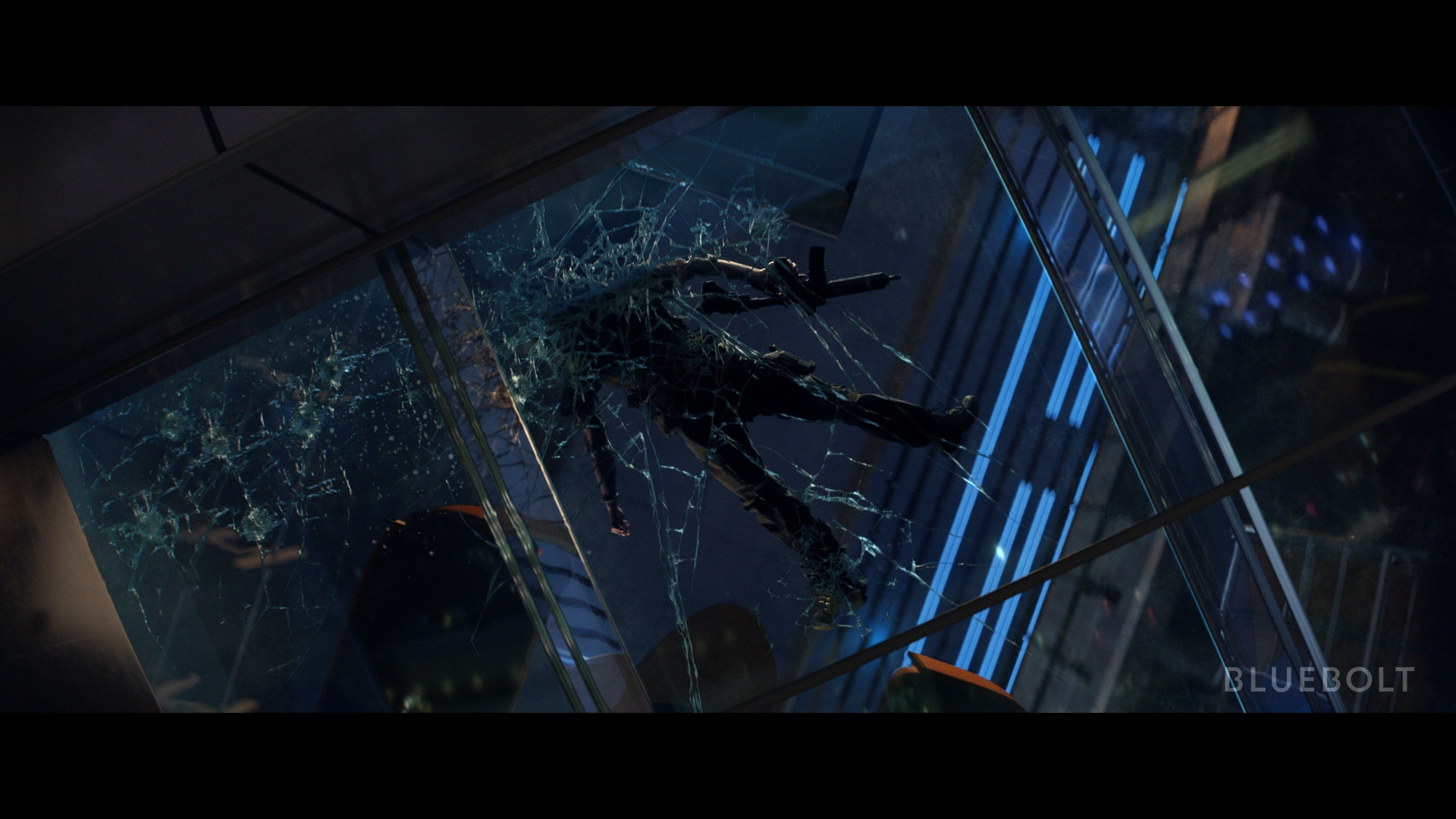
Led by BlueBolt’s Richard Frazer as overall production VFX Supervisor, BlueBolt was principal VFX studio on Tom Clancy’s Jack Ryan: Ghost War – Amazon’s feature-length film continuation of its action series. BlueBolt delivered 365 VFX shots to support the break-neck-paced action, incorporating major explosions, gunfights, multiple complex CG urban environments spanning London, Dubai and New York, CG vehicles, aircraft and boats in addition to the dramatic cracking and collapse of the entire glass floor of a skyscraper just before the explosive finale shoot out at the top of a 24 storey tower!
As overall creative lead for the VFX, Richard worked closely with director Andrew Bernstein from pre-production onward to develop and design the visual effects for the film’s key sequences. He played a central role in planning the complex ‘Glass Floor’ sequence on a shot-by-shot basis and helped oversee the virtual production elements of the LED volume work.
Delivered by BlueBolt, the Glass Floor sequence centres on a dramatic moment in which an entire glass floor cracks and collapses, leaving one of the heroes suspended through the resulting hole. The sequence was filmed at a nightclub within Dubai’s One Za’abeel, a real glass-floored structure 20 storeys above ground. Following principal photography in Dubai, Richard helped plan an additional UK studio shoot involving extensive stunt rigging and bluescreen work on large glass floor panels. To realise the sequence, the team created a fully CG recreation of the set, presenting a significant VFX challenge: every surface was made of glass, creating complex layers of reflections throughout the environment. Houdini was used to simulate the floor’s cracking and collapse, while the bluescreen photography and CG environment were seamlessly integrated with footage captured at the practical location.
The Damac Tower
A key location for the film’s explosive finale was the top of the Damac Tower in Dubai – a real skyscraper actively under construction during the filming of the movie. Permission was acquired to film there and BlueBolt augmented the design of the tower with multiple additional floors to allow for the extended journey of our heroes to its top. Since the exterior of the fictional Server Floor needed to be seen – BlueBolt created an additional 24 floors of CG top-up tower which had to be added in wherever there was an exterior shot of the building.
The film’s action climaxes inside the “Server Floor” of the Damac Tower. Since this room didn’t exist in the real location, it was constructed on a blue screen stage in London. This required around 230 VFX shots, adding in the Dubai city skyline outside and helping to augment the heavy SFX requirements including muzzle flashes, massive CG glass smashes and explosions. The action beats include a massive pallet being swung through the windows, requiring a CG helicopter gunship dramatically shooting up the floor with a minigun – with interior and exterior views. The majority of exterior views were fully CG.
Dubai Marina
The boat chase through the Marina in Dubai was enhanced by numerous additional CG boats – for heightened danger. Several camera and safety boats following the action during filming needed to be removed, with CG water added back in their place. Face replacement was also used on shots involving stunt performers. The chase culminates in a dramatic crash into the wall of a bridge. Practical protection required on the shoot day to prevent damage to the structure, was digitally removed later.
Watch BlueBolt’s VFX Breakdown here:
CHAIRS APPOINTED AT UK SCREEN ALLIANCE AND ANIMATION UK
UK Screen Alliance in partnership with Animation UK is pleased to announce the appointment of two industry chairs for their respective member councils
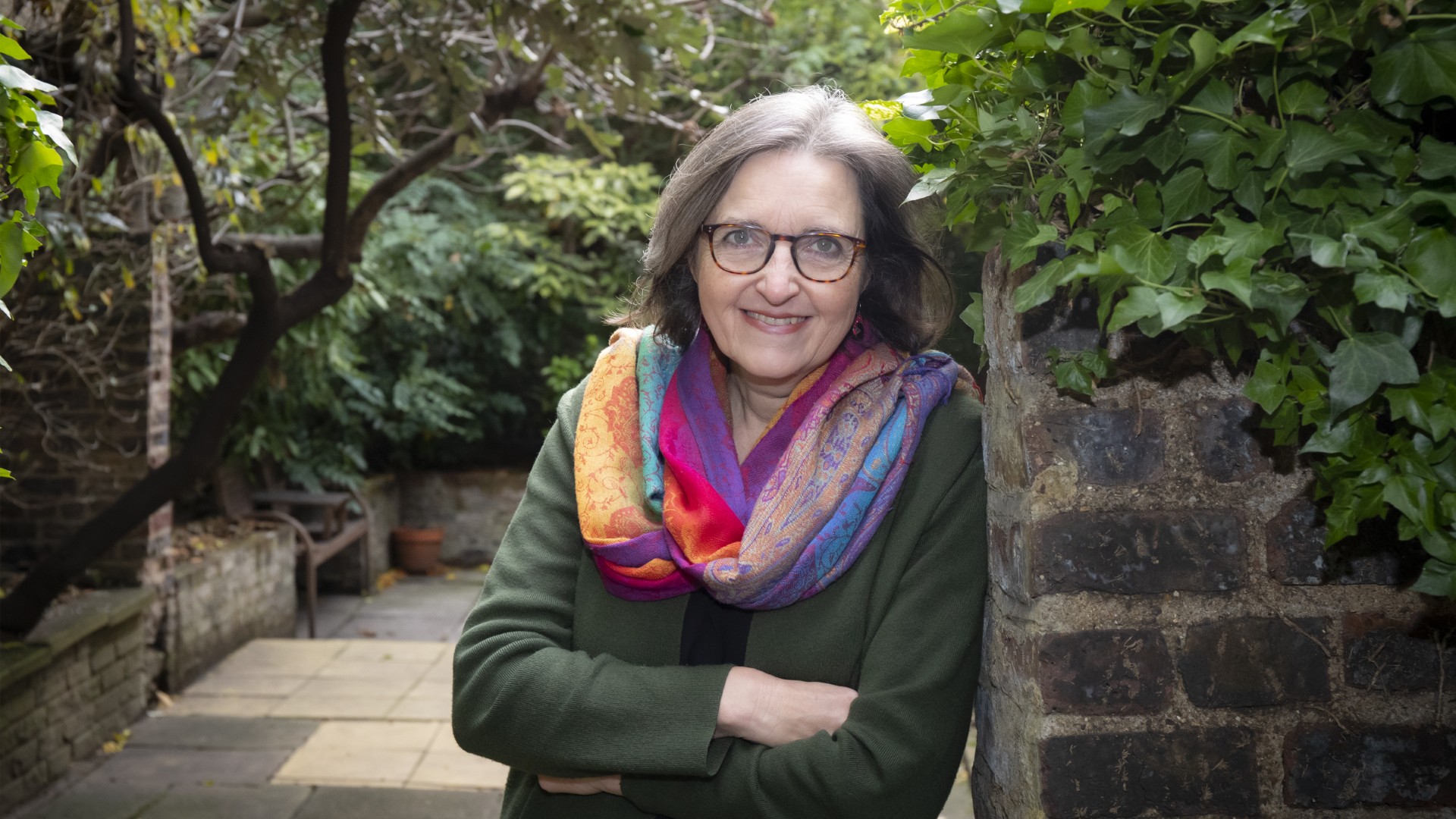
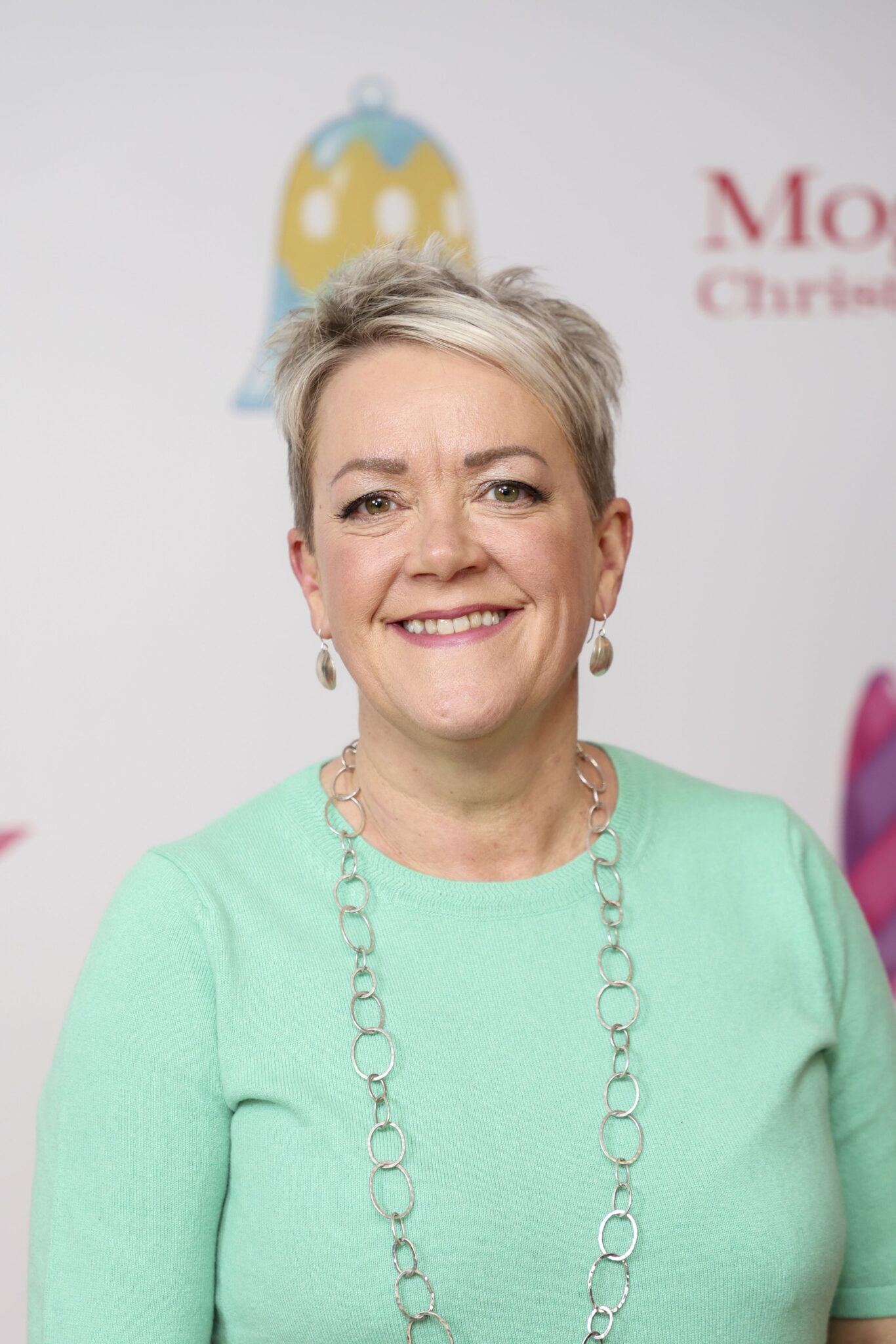
Ruth Fielding, joint founder of Lupus Films will become the chair of the Animation UK Council and Rowan Bray, MD of Clear Cut Pictures will take the chair at the UK Screen Facilities Council. These appointments ensure that the 200+ member companies of UK Screen Alliance and Animation UK continue to have a strong voice in the advocacy and policies pursued by the organisation, and that it is member-led for the benefit of all its members and the wider industry.
Ruth Fielding has 25 years’ experience in the animation industry and has produced feature films, TV series and TV Specials for all the major UK broadcasters and streaming platforms. Ruth was one of the animation producers who sat on the UK Government’s Treasury Working Group in 2013 to create the Animation Tax Credit and was a founding member of Animation UK. Films that Ruth has produced include much-loved family classics like, Ethel & Ernest, Kensuke’s Kingdom, The Snowman and The Snowdog, and We’re Going on a Bear Hunt. Ruth is a muti children’s and film BAFTA nominee and won an International Emmy Kids Award for The Tiger Who Came to Tea.
“I am delighted to be ‘giving back’ as it were, to the industry which has helped shaped my career. It gives me great pleasure to be at the forefront of the next chapter of Animation UK as we strive forward in our lobbying and advocacy to create an even stronger industry for the future.”
Ruth Fielding, joint founder and MD of Lupus Films
Rowan Bray has built her whole career around post-production, starting in bookings and working up to running some of the biggest post houses in the UK. She now leads the Clear Cut Group, comprising several award-winning post houses that specialise in all forms of non-scripted television and feature documentaries. As well as her day job, Rowan is heavily involved in training initiatives for the wider sector, including apprenticeships, and developing projects to help reduce the sustainability impacts of post-production for the whole sector.
“The work of UK Screen has never been more important than now With so much upheaval in the sector amid wider economic challenges, the association can provide targeted support to its members while celebrating their work, showcasing global pre-eminence in the skills and services on offer. I am looking forward to supporting their extensive and ambitious programme of policy, lobbying and promotion for the Post-Production, VFX and Animation sectors.”
Rowan Bray, MD of Clear Cut Group
Kate O’Connor will continue to support Animation UK as Strategic Lead, working alongside the Animation UK Council and its new Chair to help shape and deliver the organisation’s policy, advocacy and industry engagement priorities.
“Ruth is a hugely respected figure across UK animation, and her experience and insight will be invaluable as Chair of the Animation UK Council. A strong industry chair is vital to ensuring Animation UK remains member-led and focused on the needs of the sector, and I look forward to working closely with her.”
Kate O’Connor, Strategic Lead-Animation UK
“These two new chair appointments of highly respected figures in their fields, strengthens our governance and purpose. The chairs will ensure that we remain a highly focussed organisation, delivering advocacy, knowledge, and exclusive benefits for all our member companies. I cannot think of two better people than Ruth and Rowan to guide us in that quest.”
Neil Hatton MBE, CEO of UK Screen Alliance
HARBOR AND ACCLAIMED COLORIST ÉLODIE ICHTER ANNOUNCE CREATIVE PARTNERSHIP
Elodie Ichter joins Harbor’s New York Office as Senior Colourist
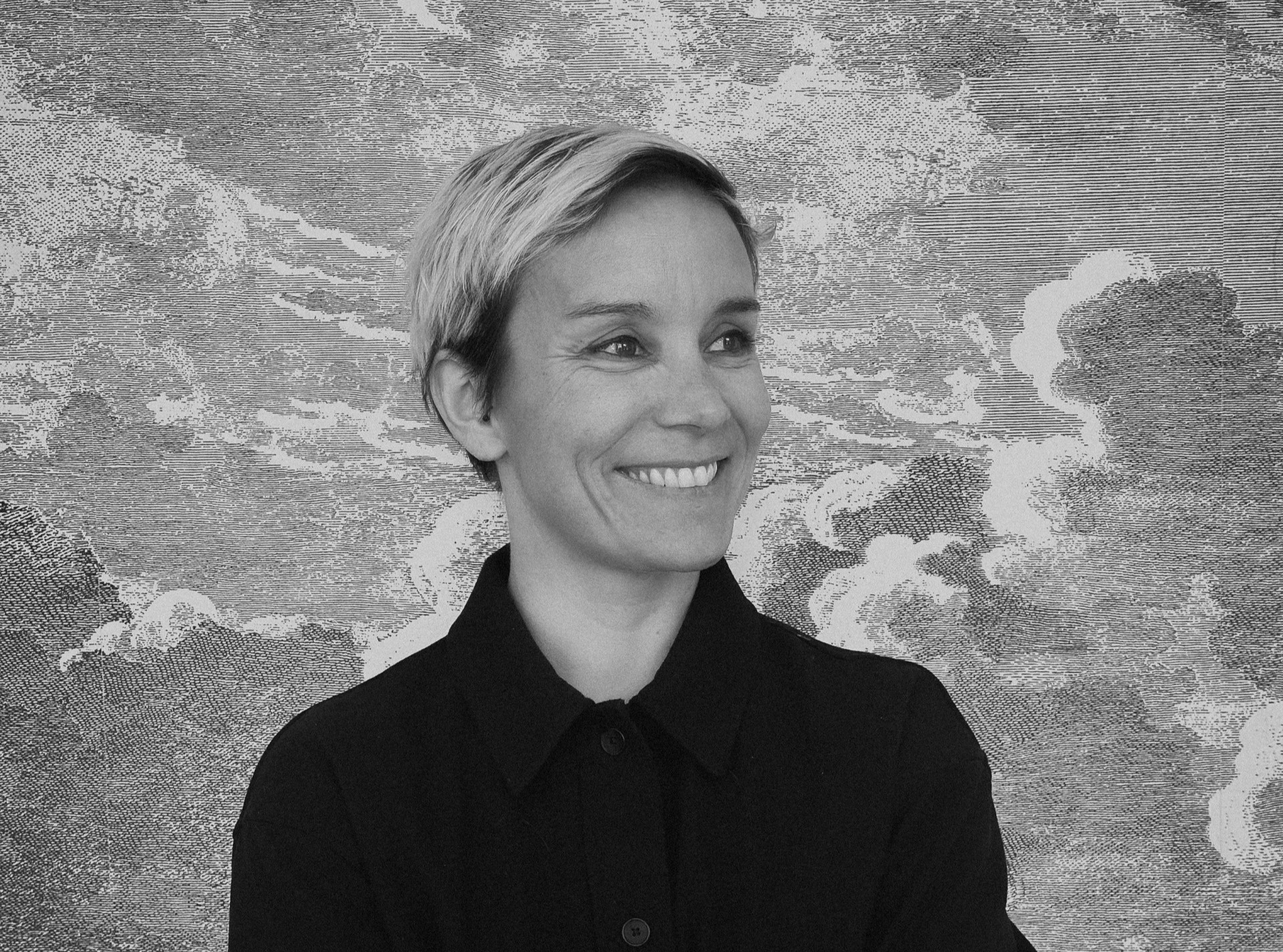
Harbor is pleased to announce a creative partnership with acclaimed Senior Colourist Élodie Ichter, marking her return to the studio where she built key creative relationships earlier in her career.
Ichter — whose credits include the Oscar-winning Nomadland, Quentin Tarantino’s Once Upon a Time in Hollywood, the HPA-nominated FX series Shōgun, Ben Affleck’s Air, and Venom: Let There Be Carnage — brings an extraordinary network of director and cinematographer relationships spanning Martin Scorsese, Chloé Zhao, Ryan Murphy, Robert Richardson ASC, and Rodrigo Prieto ASC AMC, among others. On the advertising side, she has brought that same precision to campaigns for Tom Ford, Alexander Wang, DSquared2, Aeromexico, Gerber, and Motrio.
Under this partnership, Ichter will work from Harbor’s New York facility as Senior Colourist across both entertainment and advertising, with access to Harbor’s global infrastructure spanning New York, Los Angeles, and London. Many of Harbor’s existing clients have collaborated directly with Ichter throughout her career — this partnership brings those relationships together under one roof.
“Harbor has always been a studio built on creative collaboration, and Elodie’s return reflects exactly that – world-class talent choosing to work where the environment, the technology, and the people elevate the work. This partnership strengthens our color offering at the highest level of filmmaking.”
Massimo D’Avolio, EVP, Head of Post Production at Harbor
Ichter’s career began at Éclair in Paris before taking her to Deluxe London, EFILM, Harbor, Picture Shop, The Mill, and Light Iron. She was a jury member for the 2024 FilmLight Colour Awards and received a Hollywood Professional Association nomination for Outstanding Colour Grading for Shōgun.
“I’ve always valued what Harbor brings to the process — the focus on craft, the caliber of the work coming through. Being back here, with access to that community and those tools, feels like the right place to do the best work.”
Elodie Ichter
SPOTLIGHT ON… UK SCREEN ALLIANCE MEMBERS AT CANNES 2026
Discover everything you need to know about UK Screen Alliance’s presence at Cannes Film Festival 2026
The Post & VFX Playbook: Using the UK incentives to maximise creativity
Sunday, 17th May • 09:30 – 11:00 | UK Pavilion, Cannes
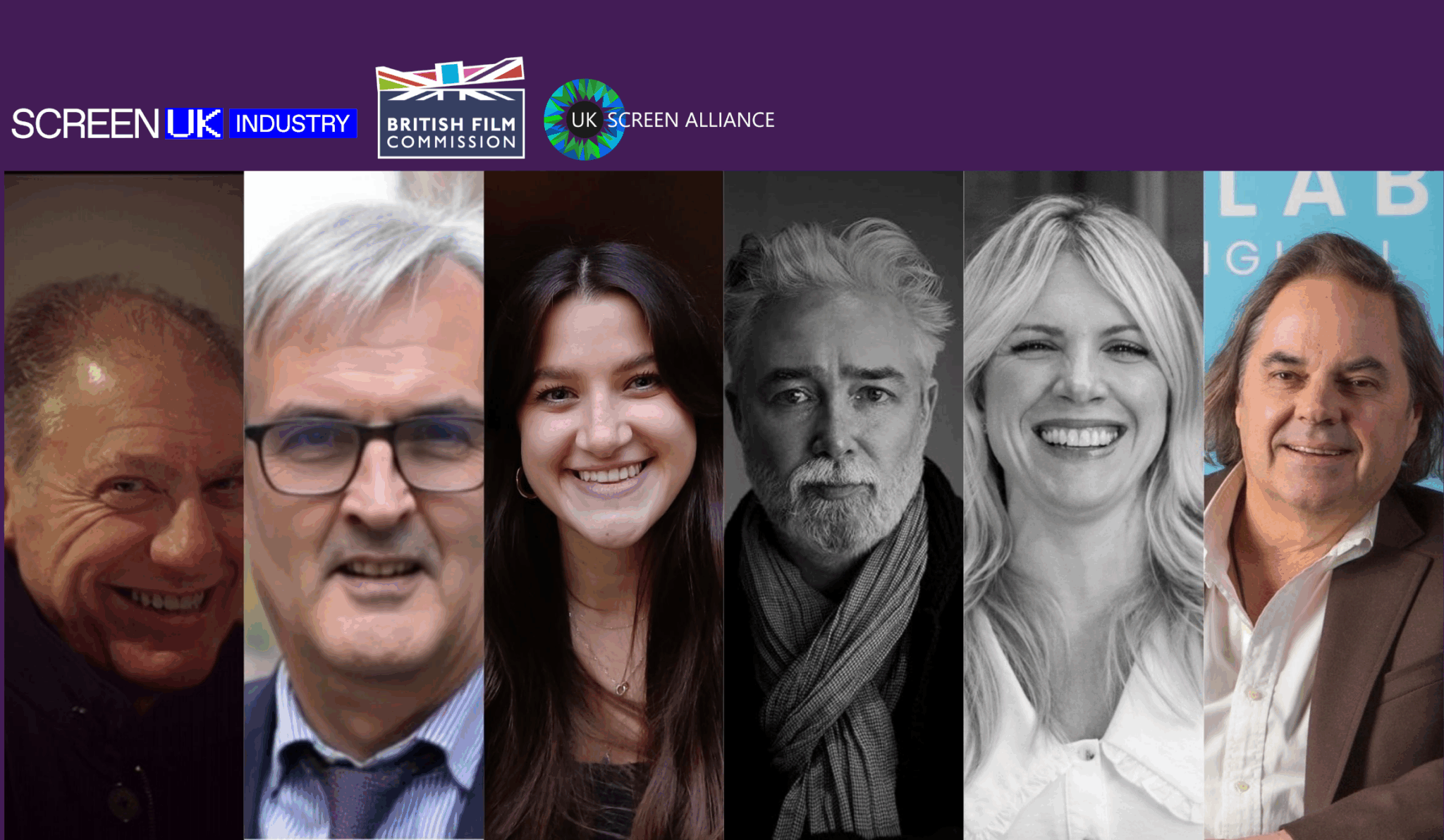
‘The Post & VFX Playbook’ panel at the UK Pavilion in Cannes, was produced by UK Screen Alliance in association with the BFC.
Speakers: Neil Hatton MBE (CEO, UK Screen Alliance), Shobha Conway (Head of Business Development & Operations, Union VFX), Colin Kennedy (CEO & Founder, fixFX), Cara Kotschy (Co-Founder & Managing Director, Residence Pictures), Steve Milne (Vice-Chairman, Cinelab Film & Digital), Adrian Wootton OBE, (Chief Executive, British Film Commission).
VFX and post-production are a huge part of modern filmmaking, but getting to grips with them can seem daunting. This practical, producer-focused conversation aims to help demystify the post process and help you unpack how to access the UK’s generous Audio-Visual Expenditure Credits for post and VFX spend.
Our expert panellists highlight how incentives can be claimed, and explain how best to roadmap a post and VFX plan that works for both your budget and your creative ambition.
UK Screen Alliance Members at the Cannes Film Festival
Find out which UK Screen Alliance members attended Cannes 2026, and how you can get in touch:
UK Screen Alliance
We will be in Cannes from 14th – 17th May, and will be available in the The Members’ Club, at Plage du Festival, for meetings.
Representatives at Cannes:
- Neil Hatton (CEO, UK Screen Alliance)
- Maya Feinstein (Events and Communications Coordinator)
Union VFX
Union VFX is a Soho-based boutique visual effects studio founded in 2008, delivering creative VFX services for film and television. Known for its experienced team and collaborative approach, the studio supports projects from concept to completion, specialising in CG environments, invisible effects, and high-quality, fast-turnaround results.
Representatives at Cannes:
- Shobha Conway, Head of Business Development & Operations, Union VFX
- Office: +44 207 494 9513
- Direct Office Number: +44 203 278 8725
- Mobile: +44 7967 959 143
- shobha.conway@unionvfx.com
Fix FX
FixFX is a Scotland-based studio specialising in 2D visual effects for film and TV, known for seamlessly supporting productions at any stage – from prepping plates for a volume shoot to detailed finishing work. Fix FX have recently won 2 VES awards, a BIFA, and an Emmy, and are interested in hearing about indie film projects in need of VFX. Being based in Scotland, FixFX are eligible for the Post Project fund (a 20% grant incentive).
Representatives at Cannes:
- Colin Kennedy (CEO & Founder, fixFX)
Residence Pictures
Residence Pictures is a UK-based post-production studio founded in 2022, specializing in picture finishing for high-end episodic and feature projects through agile workflows and advanced technology. Focused on eliminating bottlenecks from pre-commission to delivery, the company combines flexible pipeline design with world-class VFX support from their partners at Coffee & TV to deliver seamless, high-quality results for broadcasters and streamers.
Representatives at Cannes:
- Cara Kotschy (Co-Founder & Managing Director, Residence Pictures)
Cinelab Film & Digital
Cinelab Film & Digital is the UK’s only full-service film laboratory and digital dailies facility, offering end-to-end support for film and TV productions under one roof. Trusted by hundreds of cinematographers, the studio combines expert talent, advanced technology, and seamless workflows to deliver high-quality results efficiently and securely.
Representatives at Cannes:
- Steve Milne (Vice-Chairman, Cinelab Film & Digital)
- Aarti Mahtani (Director of Sales – Shortform, Cinelab Film & Digital)
Further information:
Cinelab have supported two projects screening during this year’s Cannes film festival:
CLARISSA
- A film by Arie and Chuko Esiri.
- Official Selection | Directors’ Fortnight
- Shot on 35mm. Film processing, scanning, dailies and dailies colour by Cinelab
LOW EXPECTATIONS
- A film by by Eivind Landsvik.
- Official Selection | Directors’ Fortnight
- Shot on 16mm and S8mm. Film processing, scanning, and dailies colour by Cinelab
Cinesite
Cinesite is a London-headquartered studio with a global 24-hour pipeline across Montréal and Vancouver, delivering world-class VFX, animation, and immersive storytelling. With over 30 years of experience, its award-winning teams combine creative expertise and advanced technology to bring clients’ visions to life – consistently, collaboratively, and on time and budget.
Representatives at Cannes:
- Christina Caspers (Executive Producer, Cinesite)
The Third Floor
The Third Floor is a global visualization studio founded in 2004, helping filmmakers and creators plan, prototype, and refine stories across film, television, games, and immersive media. Working closely with directors and production teams, The Third Floor’s team use advanced virtual production and animation techniques to bring creative visions to life from concept through production. The team are interested in meeting old and new friends at Cannes who would like to discuss visualisation, animation and AI filmmaking tools.
Representatives at Cannes:
- Joël Maguet (Managing Director, The Third Floor)
- joelm@thethirdfloorinc.com
- +44 (0)7841349387
Artists in Frame
Artists In Frame was founded on 18 years of VFX experience, recognising that many high-end boutique vendors are underrepresented despite their capabilities. It connects a tightly curated group of non-competing VFX and Visualisation studios across the UK and mainland Europe – vetted for capability and reliability- with the right clients, aligning partners early and leveraging regional incentives to support efficient, high-quality delivery.
Representatives at Cannes:
- Rose Hancock (Founder and Consultant, Artists in Frame)
Dirty Looks & Aquarium
Dirty Looks is an independent picture post-production house founded in 2010, with studios in London and Brussels, specialising in colour grading and mastering for feature films and high-end television. Known for its work on critically acclaimed projects, the company combines artistic excellence with a commitment to sustainability and achieving net zero emissions by 2040.
Aquarium Studios is a Soho-based post-production company providing audio, editing, and colour services for film, television, and games since 1997. To complement their triple-BAFTA-winning audio team, Aquarium are pleased to offer an in-house partnership with Dirty Looks, delivering tailored, end-to-end post solutions for projects of all scales.
Dirty Looks and Aquarium will be at Cannes 2026, ready to take meetings at The Members’ Club and network with UK and International producers who are interested in how best to combine UK and EU workflows across their main hub in London, and facilities in Brussels and Malta, to help producers attract meaningful tax credits across the full 100% of production spend.
Representatives at Cannes:
- Tom Balkwill (Founder and CEO, Dirty Looks)
- Sean O’Shea (Managing Director, Aquarium Studios)
Molinare
Molinare is a leading post-production company with a legacy dating back to 1973, known for evolving alongside the art and technology of filmmaking. Combining cutting-edge workflows with world-class creative and technical talent, it delivers high-quality, precision-driven results across projects of every scale. The team will be at Cannes to meet with new and existing film and documentary clients and to get the latest on their projects and new leads.
Representatives at Cannes:
- Andrew Boswell (Head of Film Sales and Financing, Molinare)
- 07946 674244
- andrewb@molinare.co.uk
- Jack Loughlin (Group Director of Sales, Molinare)
- 07803 086485
- JackL@molinare.co.uk
- Georgia Wallace (Sales Manager – Non-scripted, Molinare)
- 07423 096367
- georgiac@molinare.co.uk
- Deborah Doherty (Managing Director and Co-Founder, Elephant Goldfish)
- +353 86 871 4660
Koala FX
KoalaFX is a filmmaker-led VFX studio built for the future, combining innovation, automation, and a lean, high-performance team to deliver efficient, story-driven results across projects of any scale. Founded in 2019 by directors Dasha Sherman and Menelaos Pampoukidis, the company prioritizes storytelling, using advanced technology and agile pipelines to help powerful stories reach audiences in the most impactful way.
Representatives at Cannes:
- Dasha Sherman (Co-Founder and Director, Koala FX)
DISAUTHORITY
Disauthority is an independent, artist-led post-production company dedicated to championing filmmakers and original storytelling. From early development through to final delivery, they provide high-quality post-production services that help bring creative visions to life. With an obsession to the craft of filmmaking, their highly collaborative approach delivers creative excellence regardless of scope.
Representatives at Cannes:
- Marcus Hundsnes (Managing Director, DISAUTHORITY (marcus@disauthority.com)
- James Lambert, Executive Producer, DISAUTHORITY (james@disauthority.com)
We hope to see you on the Croisette!
INDUSTRIAL LIGHT & MAGIC WIN AT THE 2026 BAFTA TELEVISION CRAFT AWARDS
Industrial Light & Magic have been awarded the 2026 Bafta TV Craft award in Special, Visual and Graphic Effects for their work on Andor
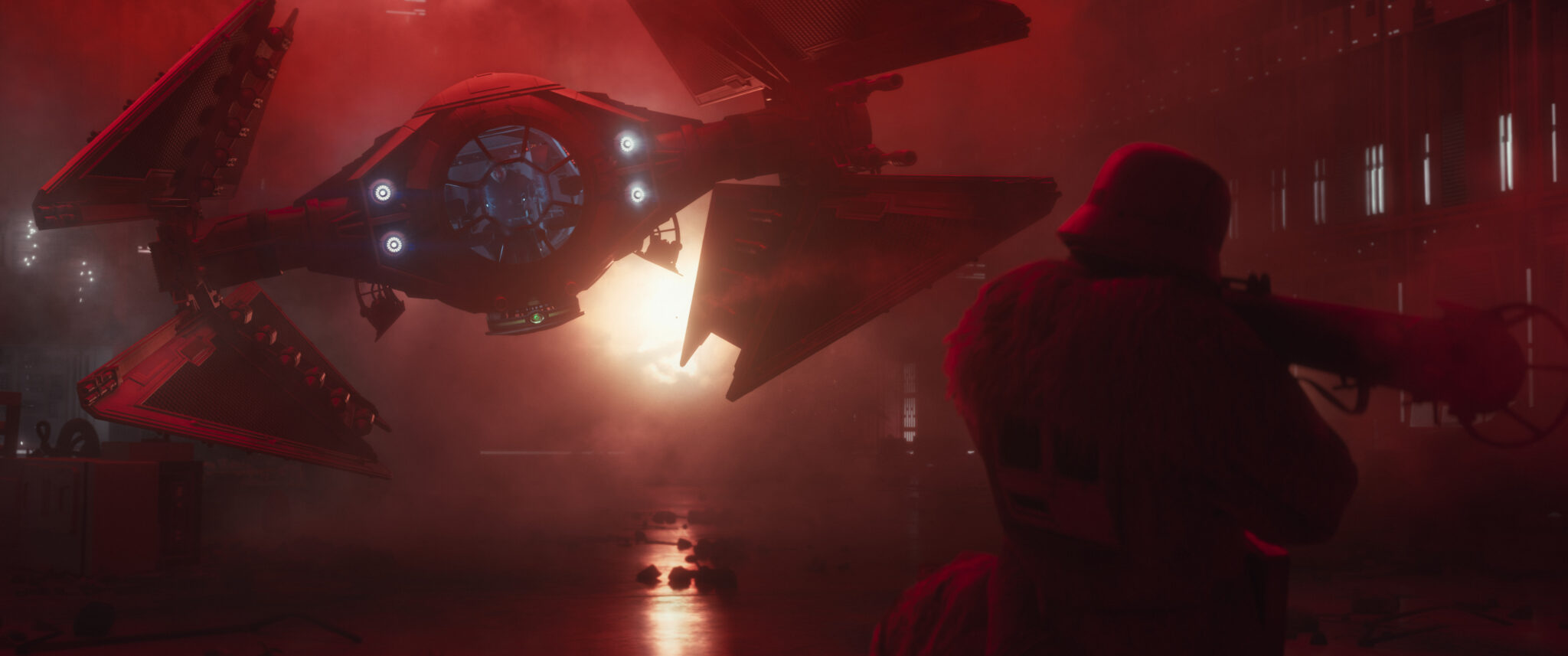
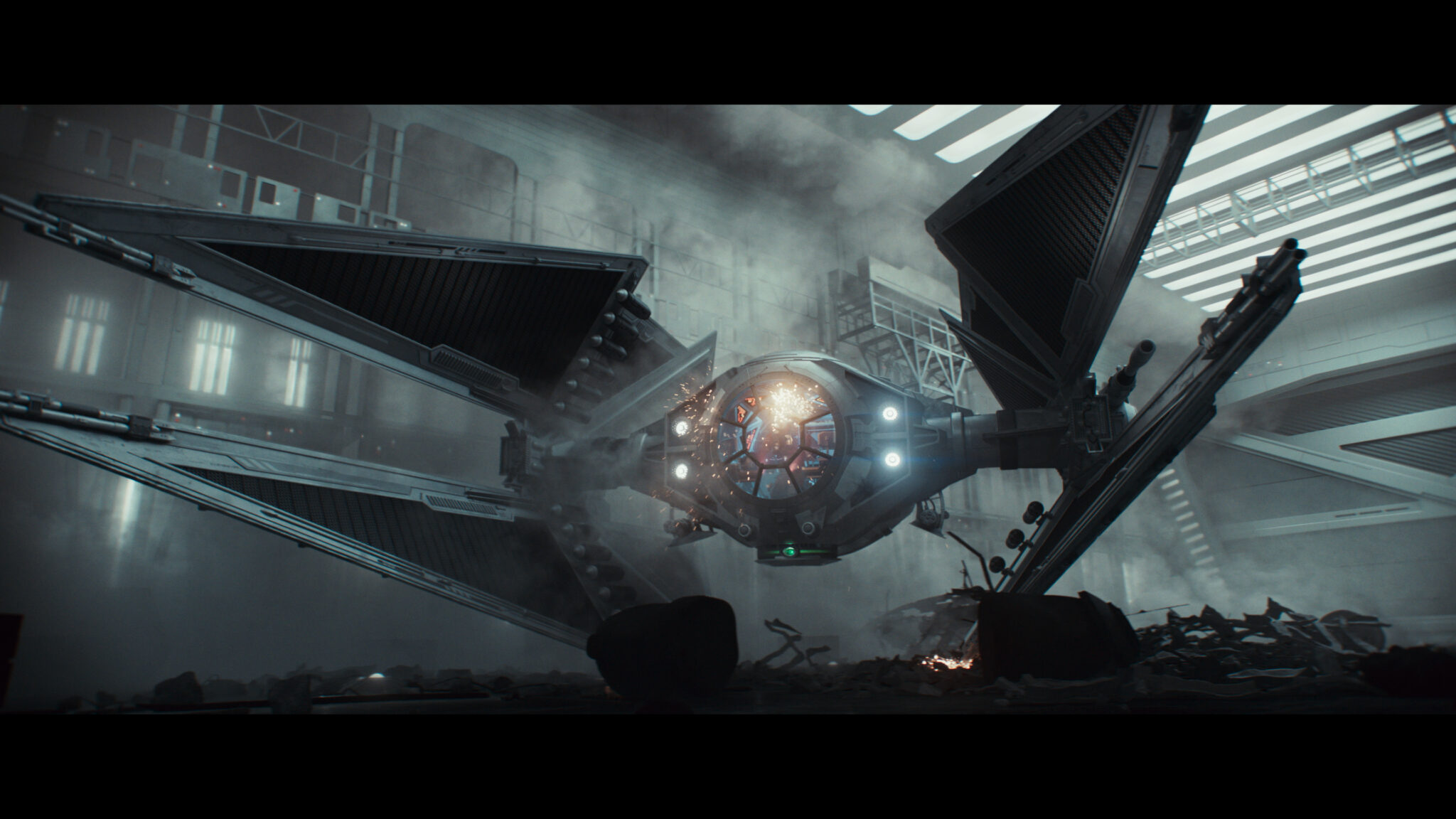
Last night, BAFTA announced the winners of the 2026 BAFTA Television Craft Awards with Samsung OLED at a ceremony in London celebrating the exceptional creativity, skill and craft of behind-the-scenes television talent and the best programmes of 2025.
The BAFTA Television Craft Award for Special, Visual & Graphic Effects was presented to Mohen Leo, TJ Falls, Luke Murphy, Neal Scanlan, Jean-Clément Soret and UK Screen Alliance member Industrial Light & Magic for their spectacular work on Andor.
Find out more about ILM’s work on Andor here, and see the full list of credits for season 2.
SPOTLIGHT ON…. Koala FX: The Visual Effects Studio that Doesn’t Play by the Rules
This month, we take a deep dive into Koala FX – a studio of creative storytellers and visual innovators


Koala FX is not just another VFX studio that tries to ship as many shots as possible without taking care of the overall story. Since Koala’s inception in 2020, the management team has lived by the notion that they ‘don’t do VFX, they make films.’ They are a bunch of storytellers and visionaries who have dared to dream their ideal VFX studio set-up into reality.
Founded in 2020, Koala FX was created by Dasha Sherman (CEO) and her partner Menelaos Pampoukidis (Creative Director). Their core team had previously met and worked on DAU – one of the most ambitious and controversial artistic projects of the century. The non-traditional formation of the team served as a masterclass in doing things their own way. From Dasha’s foray into post-production strategy for DAU to Menelaos’ specific techniques he had perfected during his work on the project, the two founders are steering the ship with the grit and expertise of innovators who have built from scratch before.
From Rags to Riches
Starting from nothing but a core team that had worked together on a visionary project and a big dream, Koala had a long way to go. But the team faced this creative challenge with real determination to succeed, and their progress has been nothing short of astonishing.
“Within a week Koala had a first tiny job for 1k; within a month Koala had to get the ex-DAU VFX core team to join forces to execute 10k worth of work; within three months Koala had its first feature film as an exclusive VFX vendor.”
Dasha Sherman, CEO of Koala FX
Koala’s first productions as a solo vendor were: ‘Love at First Sight’, collaborating with producers from ‘Fall’ and ‘47/3’, ‘Dali Land’, working with the producer Chris Curling and director Mary Harron from ‘American Psycho’. Now their roster has grown to encompass several impressive productions, including the Oscar-shortlisted ‘The Pearl Comb’, ‘Palestine 36’ as well as the Oscar-winning film ‘The Brutalist’.
The Secret Sauce of Koala’s Success
Dasha Sherman and Menelaos Pampoukidis are running a tight ship of hugely talented artists. While the number of team members has grown from 5 to 250, the team’s productivity has hugely increased too, and one could easily imagine they are in fact employing over a thousand artists. The heart and brain of the company, which is comprised of their 15 core members of staff, are all based together out of their London office, while the others work remotely. They never outsource work and their remote teams operate within Koala’s pipeline, delivering scripts together with shots. This has resulted in an organic approach whereby everyone working on any given project is so well-interconnected that the best quality is achieved.
“We started implementing AI before it became a hype. Our pipelines are widely developed with AI optimisation, and we keep on trying and testing further AI potential. We don’t want to grow big; we want to be effective while delivering the best quality. It’s always been quality over quantity for us, and we’d like to keep it this way. We approach VFX as a creative and technically advanced tool to tell stories, not as a goal of filmmaking. People come to a cinema for experience; VFX enables the stories to be told, not the other way around.”
Dasha Sherman
Work Hard, Play Hard Culture
While the team has worked exceptionally hard to achieve such stellar growth within a relatively short space of time, the management team have really put their heart and soul into creating a nurturing environment where storytellers can thrive and potential clients can immediately sense that this is a studio that takes stories seriously. You only need to visit the studio once to be fully immersed in its visionary and innovative essence.
“We’ve built a certain culture within the team and office premises, which we believe breaks the idea of a traditional “business-only” vibe. We’d like to create a narrative of our approach to filmmaking and life itself, as these two are interconnected.”
Dasha Sherman
The events organised at the studio are the perfect personification for the interconnectedness Dasha talks about. From exclusive film screenings to big parties attracting both friends and clients, the team is making the most of their wonderful space in an attempt to keep the team and the community engaged. They even have a swimming pool with plastic balls set up there for themed parties!
What’s next?
The future of VFX, according to Dasha Sherman and her team, is about taking story seriously and not being afraid to break the mold and experiment with new technologies. This is definitely a team that believes in a ‘fail fast, learn faster’ approach.
“What we’ve built up to now is something which, from what we are seeing right now in the industry, lots wish they had built. It was not knowledge or experience, but really the lack of it. The sort of place where the only decisions you take are either intuitive or make sense only to you. The space where you are constantly questioned and judged only by yourself, with very little reference to ‘how things should be’.”
Dasha Sherman
With a team that’s willing to take risks and experiment like this, there is no doubt that the sky is the limit for the studio’s future.
CEO of UK Screen Alliance Makes the Case for Employer Engagement to Protect the Screen Industry’s Talent Pipeline
“The decisions we make now will shape the industry for years to come”: Neil Hatton’s call to action for employer engagement in Film, TV, and VFX further education
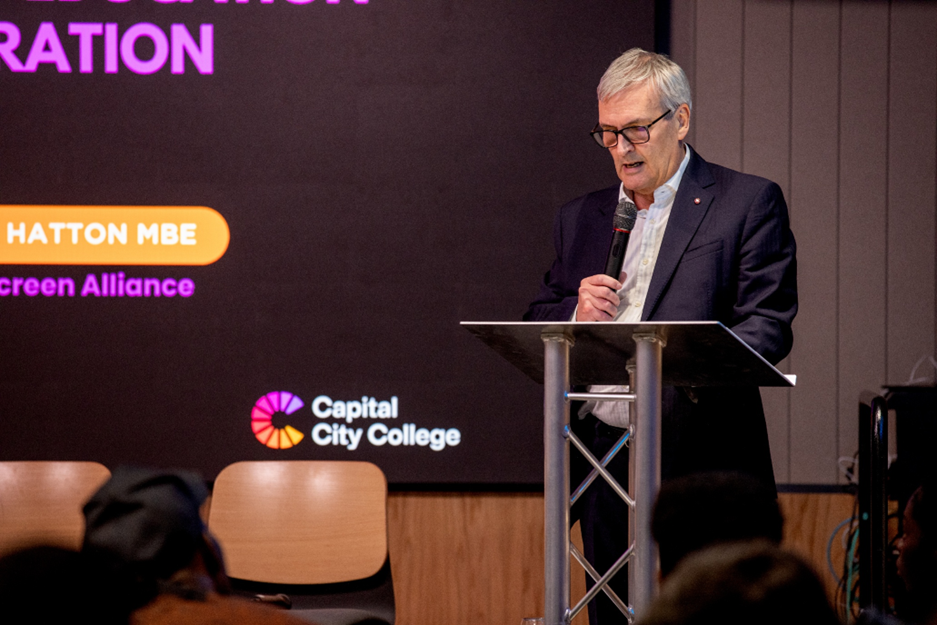
Capital City College (CCC) has launched a Creative and Digital Specialist Hub and Skills Advisory Board at its Mosaic@Soho campus, bringing together employers, educators and students to shape the future of digital and creative skills across London. This board launch is especially timely, following from the recent UK Government announcement this week of five new Technical Excellence Colleges (TEC)s, including CCC as a TEC for digital and technology.
At a busy launch event held this week, this new advisory board saw strong engagement from industry partners, including employers from global organisations, innovative start-ups and SMEs.
The event opened with a keynote from UK Screen Alliance CEO, Neil Hatton MBE, making the case for stronger engagement from employers in the film, TV, and VFX industry with the further education sector. With industry-aligned qualifications under threat from government reform and a generation of new talent at risk of being lost, he warned that inaction now could mean critical skills shortages when the sector’s recovery gathers pace.
Read Neil’s speech below:
Strengthening Employer Engagement in Further Education for Film, TV and VFX
Good afternoon everyone,
It’s a pleasure to be here with you today—educators, employers, and learners—people who collectively shape the future skills base of the UK’s film, television, animation, and VFX sectors.
Today, I want to focus on employer engagement with education—not as a “nice to have,” but as a strategic necessity.
Our creative industries are one of the UK’s great success stories: contributing an estimated £145.8 billion to the economy. That’s 5.5% of the UK’s GVA. They are a global export powerhouse, a magnet for inward investment, and a defining cultural asset. They are rightly recognised as a priority sector within the government’s Industrial Strategy.
And yet, this is also an ecosystem under extreme pressure, particularly in film and television, with rapidly evolving business models, adjusting to new geopolitical and investment realities, and disruptive technological change.
But just as TV and Film has its challenges, so too does education. Further Education has long operated under financial constraints, now compounded by a constantly shifting policy environment such as T Levels, V Levels, and the transition to a Growth and Skills Levy.
We may not agree with all these reforms. The creative industries—with their project-based nature—don’t always fit neatly into standardised systems. In some cases, government proposals risk undoing progress already made.
But this is precisely why employer engagement matters more, not less. As change accelerates, we must be actively involved—pragmatic, collaborative, and focused on shaping workable solutions. Its what we do day-to day-anyway!
Let’s look at the industry context and while recent history seems bleak, there is some sunlight.
Film and television have had a difficult three years. Since the pandemic, we’ve gone from the boom of peak TV and Covid catch-up, to the disruption of the writers’ and actors’ strikes. Beneath those strikes was a deeper recalibration: a shift from subscriber growth to profitability in streaming services, leading to reduced commissioning of original content. The anticipated post-strike recovery didn’t fully materialise.
Domestically, the BBC’s budget has fallen 30% in real terms, while for commercial broadcasters the cost-of-living crisis has weakened advertising revenues. The result has been less investment in content.
The film and TV world as we knew it before the pandemic, is not the reality now and we are still adjusting to a new normal.
Across the supply chain, we’ve seen redundancies, hiring freezes, and fewer entry-level roles. For many trying to enter the industry, opportunities simply haven’t been there.
And yet, this is not a story of decline across the board.
There are clear signs of renewal in some parts.
In VFX, recent tax credit uplifts are reinforcing the UK’s position as a global destination for inward investment. Data from the World VFX Atlas shows the London VFX and animation workforce grew by 10% over the past year. That is significant. 1000 people in new jobs.
Yes—budgets are down. Contracts are shorter and harder won. But the direction of travel for VFX is positive. There are tantalising signs of at least another 5% growth over the next 12 months. The global pie for VFX may have become smaller—but as a result of the tax credit changes that we campaigned for and won last year. the UK is poised to take a larger slice.
However, we must be realistic. The first phase of recovery focuses on experienced professionals—bringing back those who were laid off. Entry-level hiring may take little longer to return.
This creates a dilemma.
Because education does not operate on a one-year cycle. You can’t just turn it on or off based on current demand. It operates on a pipeline of three, five, even ten years.
If we allow that pipeline to weaken now, we may face labour shortages just as the industry hits its next growth phase.
Let’s zoom out further and consider the full talent lifecycle.
The digital VFX industry is still relatively young. It really began to take shape in the late 1980s and early 1990s. From 2001 to 2011, it gained significant momentum in the UK, mostly thanks to a young wizard called Potter.
Many of its early pioneers—those with 30-plus years of experience—will begin to step back in the coming years. This is not an immediate retirement crisis, but it raises important questions: will we have the right mix of skills and experience at the right time?
That depends on a functioning talent development pipeline—where mid-level professionals are supported to progress, and new entrants are ready to step in behind them.
It will just mention AI. It will have an impact, but not as existential as the doom-mongers have been predicting. It’s another useful tool in the box and creates opportunity if embraced thoughtfully. The jobs are still there but with upgraded skills.
I will just mention AI. It will have an impact, but not as existential as the doom-mongers have been predicting. It’s another useful tool in the box and creates opportunity if embraced thoughtfully. The jobs are still there but with upgraded skills.
At the same time, film and TV are no longer the only destinations for students who study it.
3D and real-time technologies are expanding from gaming and virtual production, into architecture, product design, immersive experiences, and beyond. 3D visualisation is increasingly embedded in sectors like automotive, healthcare, criminology, and life sciences.
We are also seeing the growth of the creator economy, where people are ignoring conventional career pathways. They are getting on with just doing their own thing, choosing to build their own opportunities rather than following traditional career pathways.
Now let’s turn to the education landscape itself, and to set the scene, I want to rewind fifteen years to 2011.
This report called Next Gen was published by NESTA. It was written by Ian Livingstone, founder of Eidos, and Alex Hope, founder of DNEG. Its subtitle was “Transforming the UK into the world’s leading talent hub for the video games and visual effects industries.”
In 2011, VFX and Games were enjoying a period of growth but they were already suffering skills shortages that were only alleviated by sourcing excellent skilled talent from overseas, an avenue that just a few years later would be choked off by Brexit.
The report was critical of the subjects then available in the curriculum, and advocated for the blend of skills required by these frontier sectors to thrive, namely STEM coupled with Art and strong emphasis on coding.
The report inspired a group of forward thinking games and VFX employers to collaborate with AIM Awards to create a Level 3 extended diploma in Games, Animation and Visual Effects Skills, as still taught with great success here today at Mosaic.
Additionally these employers developed a strong and innovative package of industry engagement for the colleges teaching the qualification, and formed the NextGen Skills Academy network of affiliated colleges.
Mosaic is one of 13 colleges teaching the Next Gen qualification. Across the UK there’s around 600 students currently enrolled. And the outcomes are good with 78% of alumni passing into higher education on relevant degree courses, 12% starting work directly and 8% getting apprenticeship placements.
So far so good, but here’s the rub.
Government policy is moving towards a simplified Level 3 landscape centred on T Levels, V Levels, and A Levels. Specialist qualifications like NextGen—and others such as UAL diplomas—are at risk of defunding.
These qualifications underpin the teaching in specialist institutions like Mosaic, but also at London Screen Academy, ELAM and The Brit School and provide flexible, industry-aligned pathways. To lose these qualifications would significantly impact how we prepare students for careers in the creative industries.
It looks as if the UAL qual will be defunded by the academic year 27-28.
The Aim/NextGen qual could survive until 2029-30, but it’s living on borrowed time.
We are expecting DfE and Skills England to issue an implementation plan that confirms these timelines in June or July this year.
This is understandably frustrating. Industry has already invested heavily in building effective pathways. What exists is not broken—and does not need fixing in this way.
But we are rapidly approaching the end of the runway and may soon need to consider alternatives. Doing nothing is not an option. Nor is accepting new qualifications designed without meaningful industry input.
Employer engagement, therefore, becomes essential.
If industry does not actively shape these new pathways, we risk ending up with systems that fail to meet real-world needs.
So what are the options?
T Levels offer depth and include a mandatory work placement—but raise challenges around scalability, geographical access, and employer capacity.
V Levels provide broader reach without mandatory placements—but with significantly reduced teaching time.
We may need to support both, depending on context and future announcements on placement flexibility.
So how do we move forward?
First; stronger collaboration.
Advisory boards are important to create deeper partnerships—co-designing courses, sharing insight, and creating fast, effective feedback loops.
Curricula must reflect real industry needs. That doesn’t mean chasing every new tool, but it does mean focusing on core, transferable skills: problem-solving, storytelling, shot composition, communication, collaboration, and adaptability. The Core Skills of VFX Handbook that we co-funded last year is example of effective collaboration between academia and industry.
Second; placements and apprenticeships.
There is no substitute for real-world experience. But we need more flexible models—shorter placements, project-based work, virtual opportunities.
We need to bring employers to students as well as students to employers.
Apprenticeships remain valuable, but must work for employers—supported by appropriate incentives and flexible delivery models.
I will continue to press government to build these necessary flexibilities into T Levels and apprenticeships. But we will need employers of all sizes to open their doors to more students.
Third; tutor development.
Educators need access to industry to teach effectively. If we invest in teachers, we invest in every student they go on to teach.
We should expand opportunities for industry exchange—teachers gaining industry experience, and professionals contributing directly to education.
I’m proposing a pilot scheme with the GLA to encourage bidirectional industry exchange initiatives—where tutors go on placements in studios—and industry professionals spend time teaching in colleges.
There’s real progress on the horizon here.
And finally; inclusion.
We must widen access—not only because it is right, but because diversity goes hand-in-hand with creativity and innovation.
This means reaching new communities, creating alternative entry points, and ensuring pathways are visible, accessible, and viable.
So, to conclude:
The industry is beginning to recover. Growth is on the horizon. But the talent pipeline that underpins that growth needs attention now.
My call to action is simple.
To employers: see education as part of your workforce strategy. Offer placements, contribute to curriculum development, and invest time in shaping the future talent pool.
To educators: continue to adapt and innovate. Build partnerships, focus on core skills, and prepare students for long-term careers, not just first jobs.
And to all of us: work together.
If we act in isolation, we create fragmentation and inefficiency. In a time of constrained resources, collaboration is essential.
None of this is easy. But difficulty is not an excuse for inaction. The decisions we make now—about engagement, collaboration, and investment—will shape the industry for years to come.
The Next Gen report remains as relevant today as it was 15 years ago. I’m going to borrow Alex Hope’s final words in his conclusion to the report, as they seem to perfectly sum up this call to action. He said then, “We cannot sit back and allow others to do it for us. We must step up and contribute.”
I echo his words and sentiment. I’m up for it. Are you?
Thank you for listening.
HARBOR APPOINT NEW CREATIVE DIRECTOR
Harbor names Jason Monroe Creative Director, CG VFX
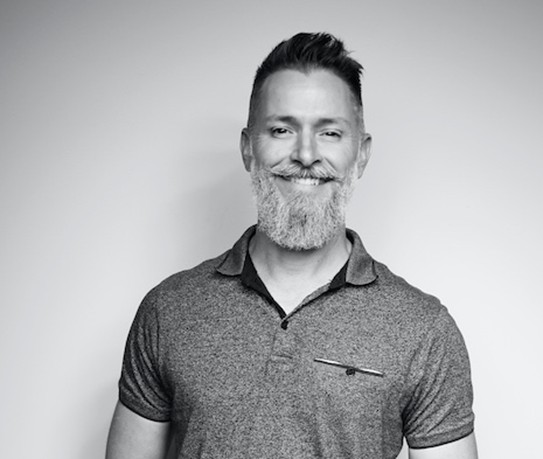
Harbor Picture Company has named Jason Monroe Creative Director, CG VFX, further strengthening the company’s creative leadership across advertising, entertainment, and games.
Monroe brings more than 25 years of experience spanning feature films, television, commercials, and video games. Over the course of his career, he has held positions as 3D artist, VFX Supervisor, Head of CG, and Creative Director, including senior roles at The Mill LA, where he built a track record of delivering ambitious creative work on time and on budget.
His credits at The Mill include standout work for Kia, Chobani, Intel, Energizer, DirecTV, Riot Games, KFC, Xfinity, USPS, and Dungeons & Dragons: Dark Alliance, among others. His body of work spans photo-real character animation, complex CG environments, and large-scale creature and product work at the highest level of commercial craft.
Monroe has extensive experience leading and coordinating global CG teams across the US, India, Poland, Portugal, Canada, and the Philippines, operating across time zones and managing multilingual collaborations at scale. His fluency across creative software – from Maya and ZBrush to Unreal Engine 5, Photoshop, Premiere Pro, and AI tools – allows him to communicate and iterate rapidly across disciplines.
“Jason understands what agencies and brands need today—speed, creative clarity, and no compromise on quality. His experience working with some of the world’s biggest brands, combined with his ability to lead complex global teams, makes him exactly the kind of creative leader that strengthens how Harbor partners with agencies and clients.”
Massimo D’Avolio, EVP, Post Production at Harbor Picture Company
“Harbor has an incredible reputation for craft and creative excellence. I’m excited to join a team that genuinely values both the art and the process, and I look forward to collaborating with the talented people here and with clients on ambitious, technically demanding work.”
Jason Monroe, Creative Director, CG VFX
VINE FX ANNOUNCE NEW CREATIVE DIRECTOR
Vine FX Promotes Simon Carr to Creative Director
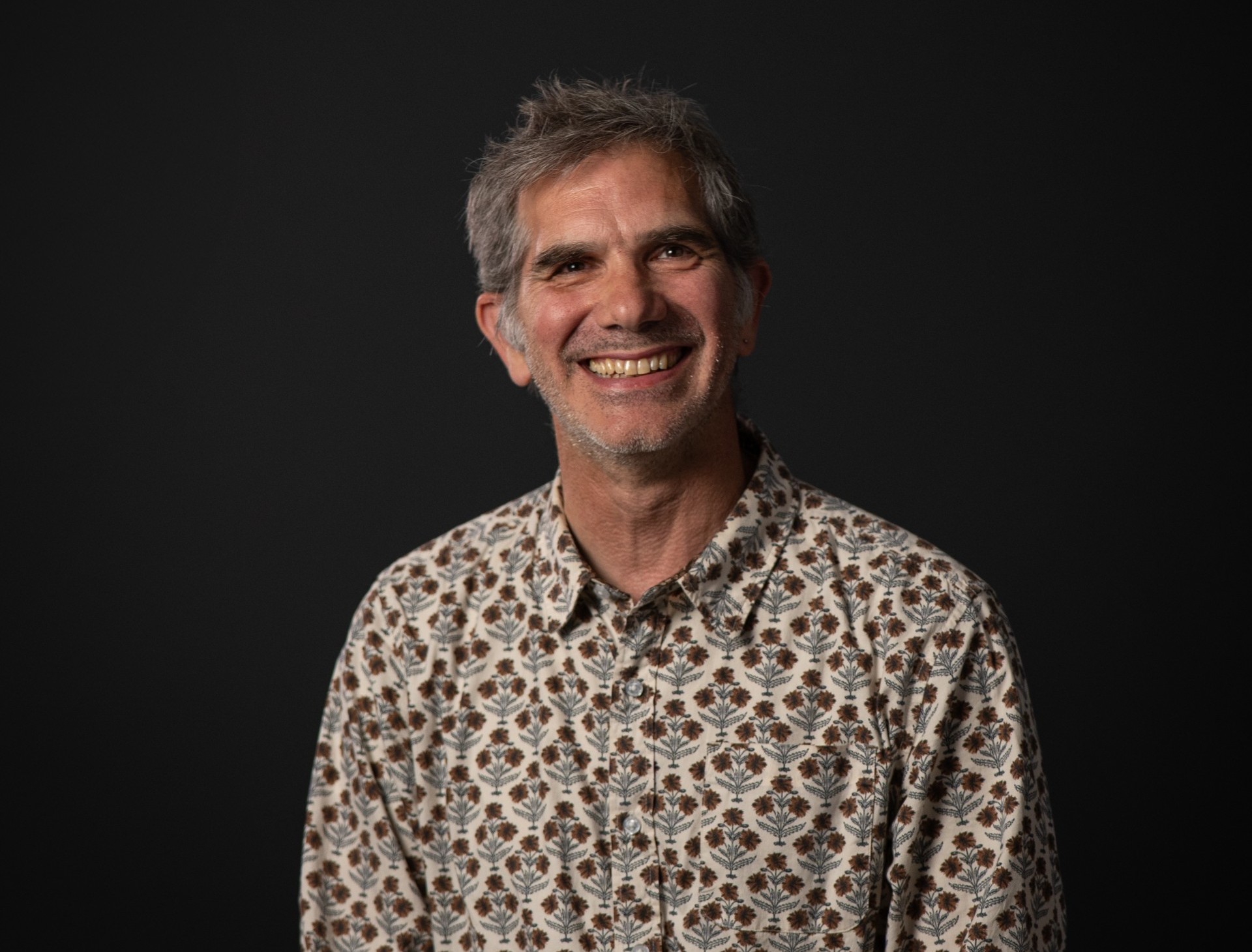
Vine FX has announced the promotion of Simon Carr to Creative Director, strengthening the studio’s creative leadership as it continues to build its slate of high-end film and television projects.
Carr joined the Cambridge-based VFX studio in August 2024 as a VFX Supervisor and brings with him over thirty years of experience in the visual effects industry, including more than two decades specialising in on-set and post-production supervision. His extensive credits include The Amateur, Star Trek Into Darkness, Oblivion, G.I. Joe: Retaliation, and Mank, for which he received the VES Award for Outstanding Supporting Visual Effects in a Photoreal Feature. He also served as overall VFX Supervisor on The Man Who Fell to Earth, earning an Emmy nomination.
Throughout his career, Carr has worked at some of the industry’s most respected studios, including Animal Logic, Framestore, Method Studios, and The Magic Camera Company. In his new role as Creative Director at Vine FX, he will work closely with the studio’s VFX Supervisors, artists, productionand editorial teams to guide creative direction and ensure the continued delivery of high-quality visual effects.
“I’m delighted to be able to continue working with Vine FX in the role of Creative Director with the aim of supporting our talented team of VFX Supervisors and wonderful team across production, editorial and artists. I look forward to developing our slate of work and hopeful for a fruitful 2026.”
Simon Carr, Creative Director at Vine FX
“Simon’s promotion reflects both his exceptional experience and the creative leadership he has already demonstrated at Vine FX. His collaborative approach and depth of knowledge are hugely valued by the team, and this role reinforces our commitment to supporting our artists and delivering ambitious, high-quality work.”
Michael Illingworth, Founder of Vine FX
The appointment marks another step in Vine FX’s ongoing growth, as the studio continues to expand its creative leadership and focus on delivering world-class visual effects. With a strong slate of upcoming projects for 2026, the VFX house looks forward to the year ahead.