
A panel of experts explore how facilities can measure and reduce their energy use, and why the sector needs its own methodology to do it
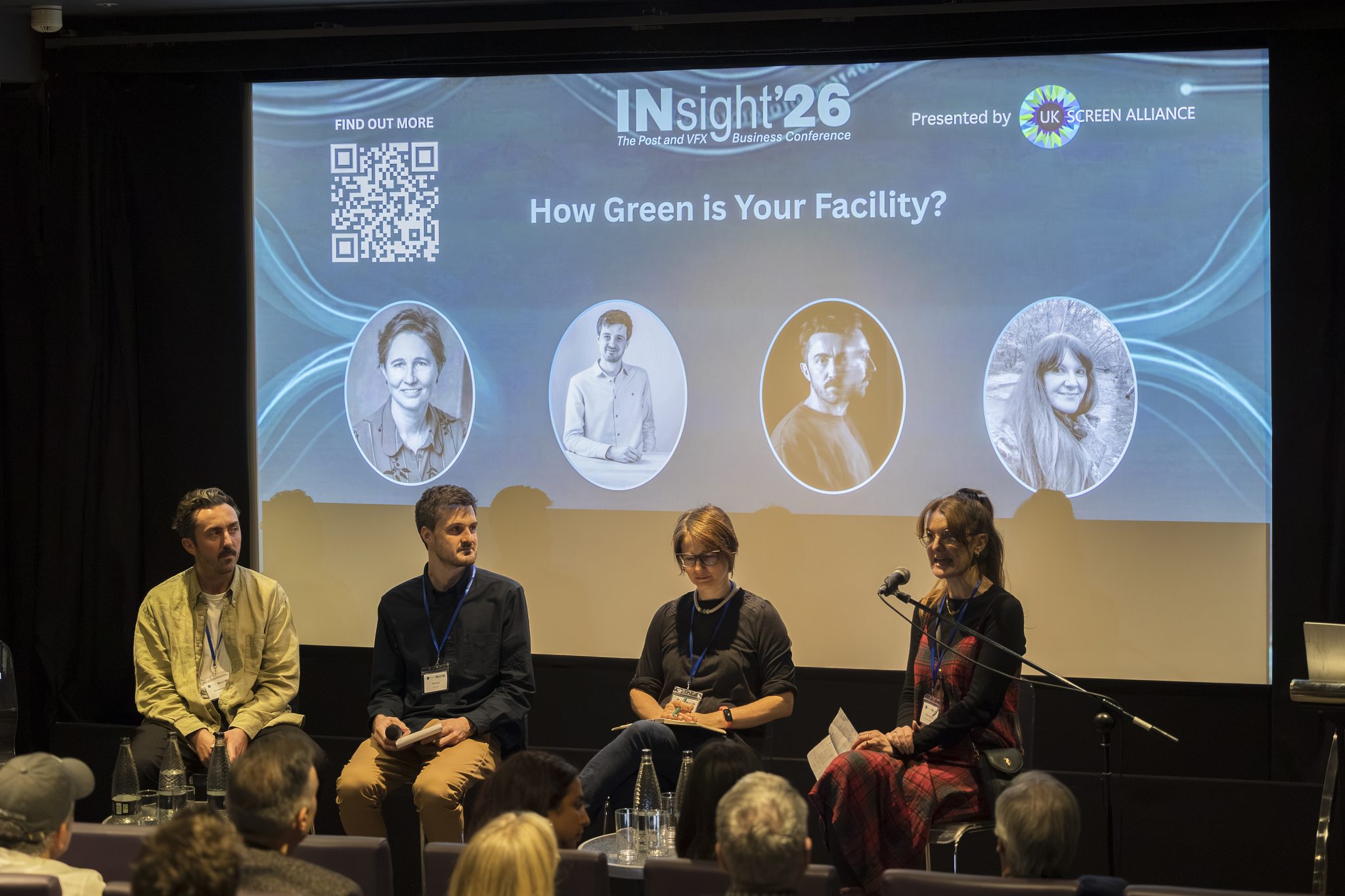
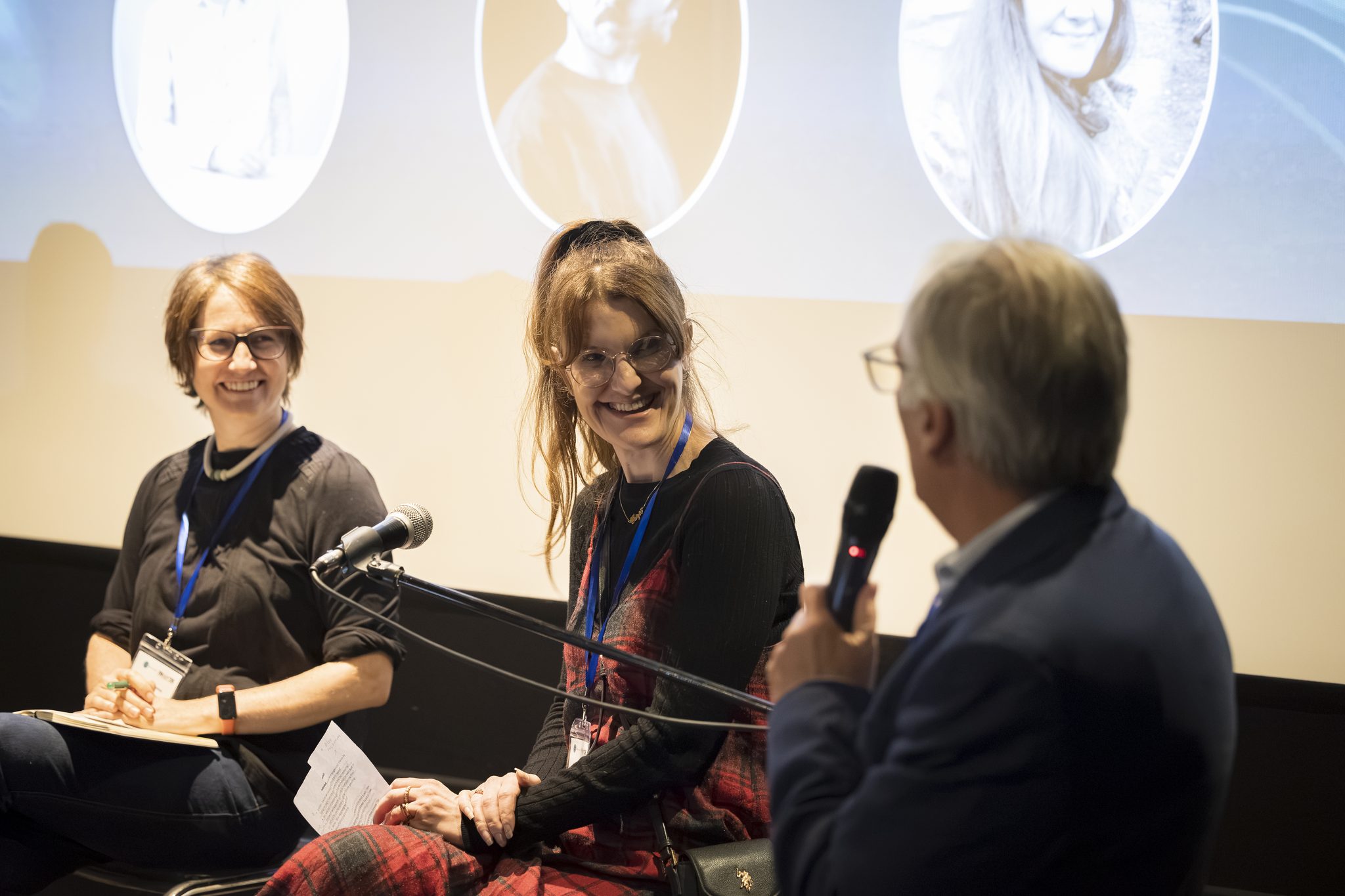
The final panel of INsight’26 turned to sustainability, an area that can feel like a nice-to-have in a difficult market but is fast becoming a commercial necessity. Moderated by Charly Conquest, Responsible Productions Lead at Sky Entertainment Group and convener of the Green Champions in post-production group, the session brought together Alethea Lindsay, Sustainability Consultant at Cut the Carbon; Will Foxall, R&D Technologist at Filmsat59; and Jonathan Harris, Founder and CEO of B Corp-certified Dupe VFX.
Why post needs its own methodology
Lindsay explained that post-production emissions are measured very differently from those of physical production, where travel and fuel can be counted directly. Digital processes are converged, with multiple projects sharing servers, storage and networks, so it is hard to say how much energy any one project uses. In 2025 she worked with Clear Cut Pictures to measure emissions from an offline edit, and developed the CTC methodology for allocating emissions across converged technologies. The work has won a Broadcast Tech Innovation Award.
She argued that the data currently feeding industry tools is simply wrong. The BAFTA albert calculator assigns a single figure to a post-production suite, when post involves some 30 core processes and up to 90 others, and has nothing for VFX or virtual production. Lindsay stressed that a shared methodology matters because it lets facilities identify energy hotspots, which saves money as well as emissions.
Foxall described how measurement quickly becomes more complicated than clamping a meter to a suite. A large facility may have up to 100 active projects on its storage at any time, network traffic is harder still to quantify, and last-minute pivots mean media is copied, moved and uploaded in ways nobody planned. Using the example of uploading a 45-minute UHD HDR IMF to the US, he found that the difference in grid carbon intensity between the best and worst time of day equated to boiling a kettle about 70 times. When he revisited the numbers, published estimates for the energy of sending a file ranged from two to 300 kettles, so even facilities using the same methodology can reach different results if their source values differ.
Harris said the lack of a standard has held the sector back. When he first presented carbon reports to studios and streamers, there was interest but nothing to benchmark against, so a figure of tens of thousands of tonnes meant little. Without common measurement, facilities cannot compare vendors or tell who is performing well.
Where to start
For those early in the journey, the panel suggested:
- Start measuring: Harris advised tracking something simple, such as annual energy spend, consistently, then refining it. His team’s first method of apportioning energy by headcount proved too crude, but the consistency still gave a usable data set.
- Build a green team: Foxall noted that many of Films at 59’s ideas come from its runners, who will make tomorrow’s operational decisions.
- Manage storage: Lindsay recommended moving rushes off media servers to LTO as soon as projects wrap, or charging clients for keeping them there, and having earlier conversations with productions about shooting in 4K when delivery is in HD.
- Run AI models locally: she argued that self-hosting models makes their energy use measurable and controllable, which closed models do not.
- Switch things off: when Dupe turned off its render farm over a weekend, it learned that most of the energy came from machines simply being on rather than rendering.
Engaging clients and colleagues
Harris described how he learned to reframe carbon figures after talking with scientists, so that a client hears what a facility has saved rather than the total it emitted. He noted that interest from studios was strong early on, dipped as other pressures mounted, and is now returning. Foxall described a combination of a green policy, an internal green team and a wider Bristol TV industry network, and said that attributing carbon to individual clients or line items fairly is difficult, particularly as none of the team are climate scientists.
The Green Leads project

Lindsay set out a proposal developed with UK Screen Alliance, Sky and the University of Nottingham, in a funding bid to the AHRC. It aims to deliver skills, tools and a community of practitioners with common training who will continue to meet after the project ends. Ten post houses have signed expressions of interest, and the plan is to measure every process at around ten pilot facilities and build a free prototype calculator. Its findings would be shared with BAFTA albert. She stressed that the aim is not greenwashing, but an easy-to-use methodology that helps businesses find and reduce energy spikes.
The commercial case
The panel saw clear business reasons to act. Foxall pointed to the new UK sustainability reporting standards, which are expected to cascade down supply chains. Lindsay said UK commissioners have committed to decarbonising their supply chains, already ask suppliers with more than £5 million of work to report their emissions, and are expected to move towards preferred procurement. Harris said sustainability work has not directly produced revenue, but has built relationships, with one production returning for a second series partly because it wanted to maintain its emissions reductions. He thought VFX could move faster than post, as render managers already log the power used by every task, and described a partnership with Heata to use render farm heat for social housing. Foxall added that sharing accurate data helps clients to understand the footprint of the media they send to a facility.
Audience questions
Asked whether a few tasks account for most emissions, the panel said it was too early for a firm 80/20 rule, though Harris noted baseline consumption from machines being left on was surprisingly high. Foxall raised remote working, which blurs where a facility’s footprint ends, and Lindsay said her 2025 study found a remote session into a hybrid suite accounted for 23% of the emissions for a full day of editing, largely due to duplicated equipment.
A final question from a fellow B Corp facility highlighted a growing tension: as studios require vendors to use their cloud environments, facilities that can currently measure their own infrastructure in detail may lose the ability to give clients the same data. The panel agreed it is a question the industry should put to studios and cloud providers, and Conquest closed the session by calling it a rallying cry.